
Skip to content

Small Pottery Kiln

Small pottery kilns for home studios, classrooms and tight studio corners — mini kilns, tabletop kilns and bench-top models from roughly 12 litres up to around 90. Every kiln in this range plugs into a standard UK 13A socket, so there's no electrician's bill before you fire your first pot.

Use this page to compare small kilns side-by-side. If you need something bigger, step up to our home pottery kilns range.

What to look for in a small pottery kiln:

  • Chamber size: 12–60 litres suits most home potters. A small electric kiln at 45L fires around 30–40 mugs or 4–6 larger pieces per cycle.
  • Power supply: All small kilns we stock run on a 13A plug, no single-phase rewiring, no 30A commando socket. Plug in and fire.
  • Top temperature: Every model here reaches 1300°C — earthenware at 1100°C, stoneware at 1250°C and porcelain at 1280°C are all comfortably inside that range.
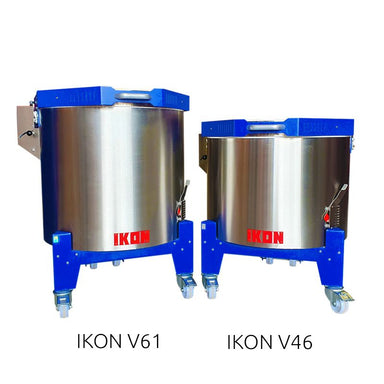
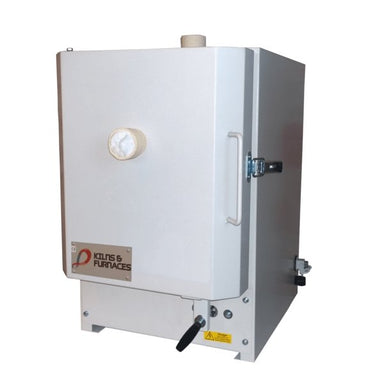
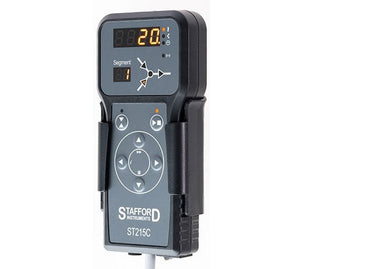
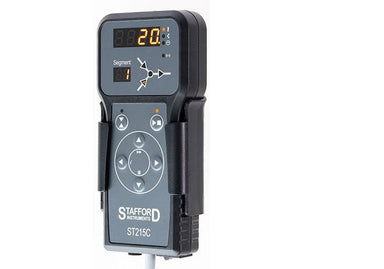
  • Firing control: Digital controllers on the Kilncare Ikon and Kilns & Furnaces Falcon ranges let you set precise ramp, soak and cool curves — essential for consistent glaze results.
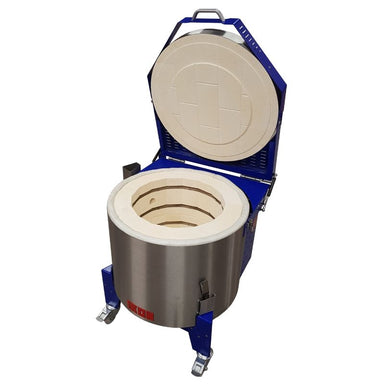
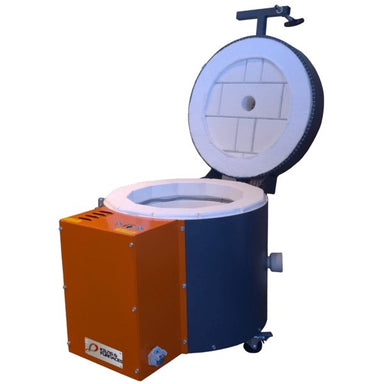
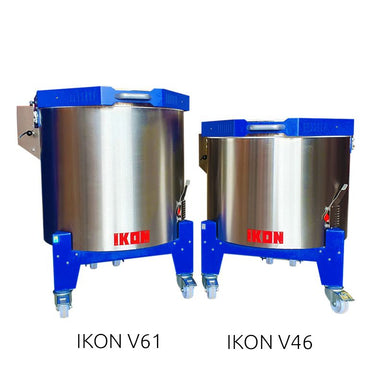
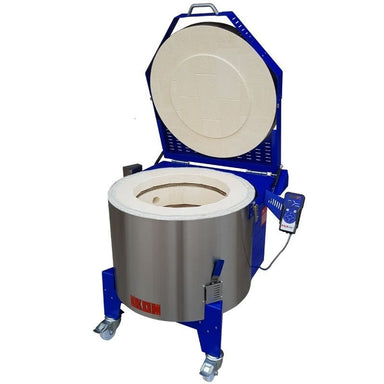
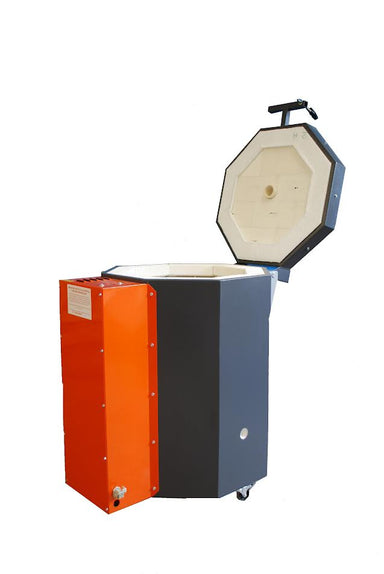
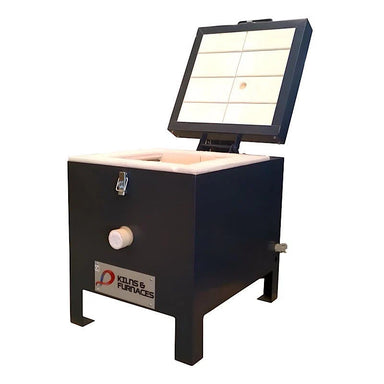
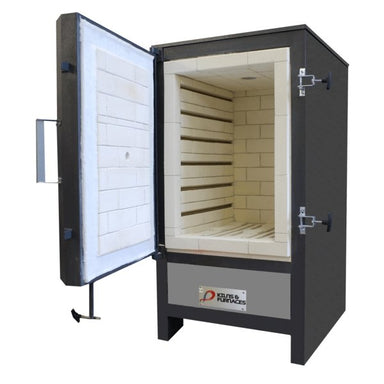
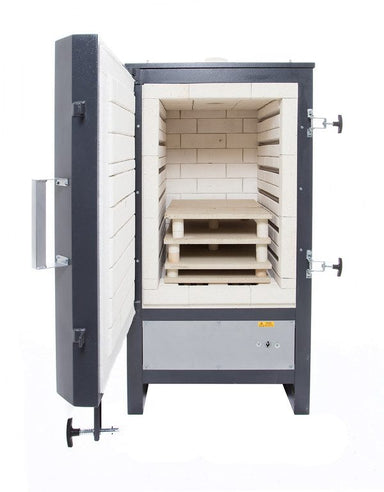
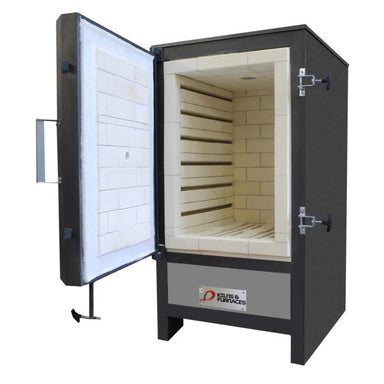
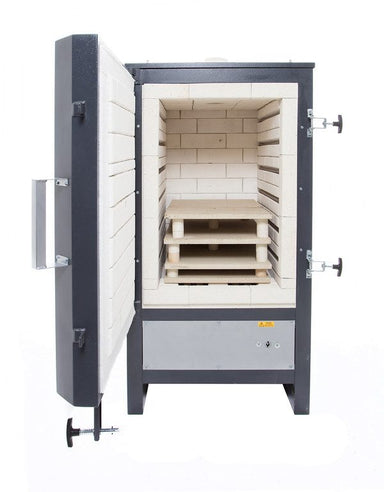
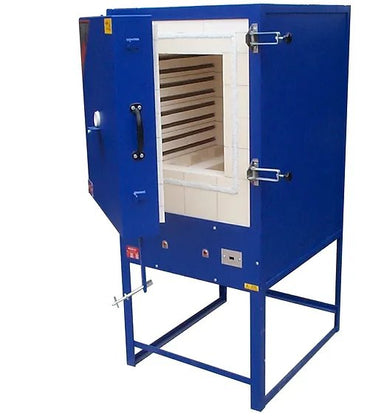
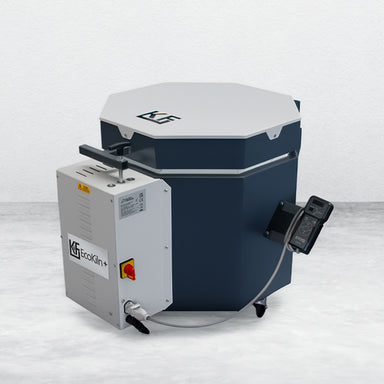
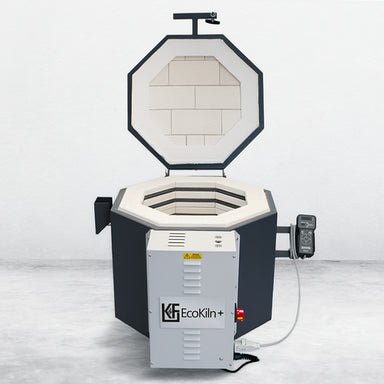
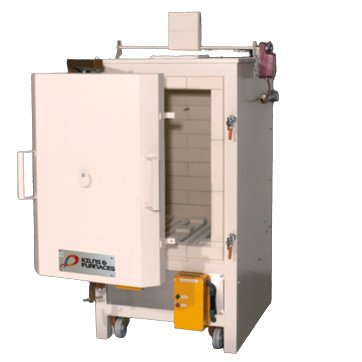
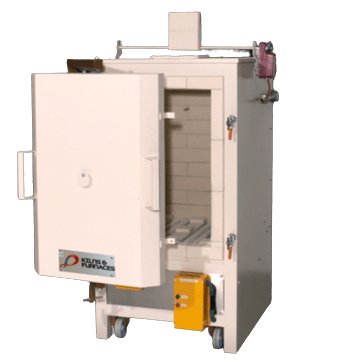
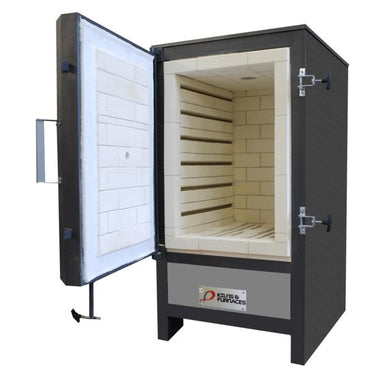
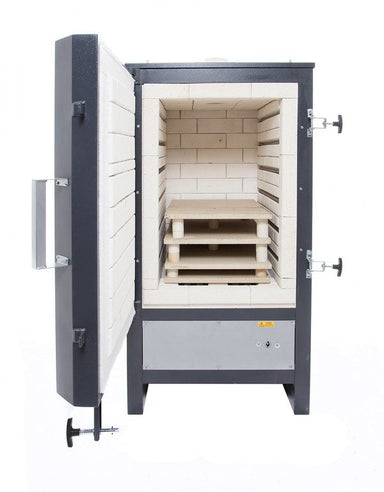
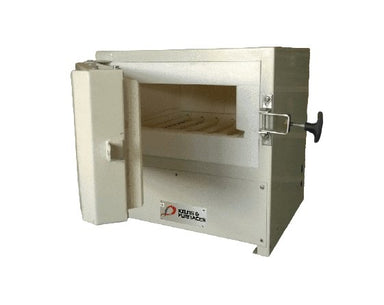
  • Load type: Front-loaders (Falcon 50L/65L) are easier on your back; top-loaders (Hawk, CU4, Ikon V46) are lighter and more portable.

Not sure if a small kiln is right for your work? Call Matt or Shannon on 01206 648025 — we've fired every model on this page in our own studio and can talk through sizes, firing schedules and what fits your space.

Choosing between a mini kiln, a tabletop kiln and a small front-loader

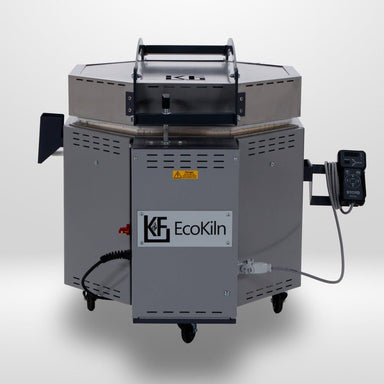
"Mini kiln" and "tabletop kiln" usually describe the same thing: a compact, top-loading electric kiln light enough to sit on a sturdy bench and run from an ordinary 13A socket. They suit jewellery, test tiles, small bowls and mugs, and anyone firing in a spare room or on a worktop. A small front-loader (like the front-opening models in this range) costs a little more but saves your back — you load at waist height instead of reaching down into a top-loader — and gives you flat shelves that are easier to pack with awkward shapes. If you are buying your first kiln for general home pottery, a 40–60 litre top-loader is the most popular starting point; step up to a front-loader if you fire often or have shelf space rather than floor space.

Whichever format you choose, the firing temperature is rarely the limiting factor on a small kiln — the models here reach 1300°C, so earthenware, stoneware and porcelain are all within range. The real question is chamber volume: how many pieces you want to fire in one cycle, and how big they are. If you regularly throw larger forms or want to fire a class set in one go, compare these against our home pottery kilns, or read our guide on how to buy a pottery kiln in the UK before you commit.

Running costs and everyday use

A small 13A kiln is genuinely cheap to run compared with a full studio kiln, because the chamber is smaller and reaches temperature faster. Electricity is the main running cost, and it scales with chamber size and how high you fire — a bisque firing at 1000°C uses noticeably less than a stoneware glaze firing at 1250°C. For a full breakdown of what a firing actually costs, see our guide to the cost of running a pottery kiln. Beyond electricity, you will want a few kiln shelves and props to stack your work — browse kiln shelves, props and accessories to kit out your new kiln.

Small pottery kiln FAQs

Can a small pottery kiln fire stoneware and porcelain?
Yes. Every small kiln in this range reaches 1300°C, which is comfortably above stoneware (around 1250°C) and porcelain (around 1280°C). On a compact kiln the limit is the size of the chamber, not the temperature it can reach.

Can you run a small kiln from a normal household plug?
Every kiln on this page runs from a standard UK 13A socket, so there is no electrician's bill before your first firing. As with any high-draw appliance, run it on its own socket rather than sharing an extension lead with other equipment.

What is the difference between a mini kiln and a tabletop kiln?
They generally mean the same thing — a compact, bench-top electric kiln small enough to sit on a worktop. "Mini kiln" tends to describe the very smallest models used for jewellery, beads and test pieces, while "tabletop kiln" often refers to slightly larger compact kilns that still fire full pots.

How many pots fit in a small kiln?
It depends on chamber size. As a rough guide, a 45-litre small electric kiln fires around 30–40 mugs or 4–6 larger pieces per cycle, packed with shelves and props.

Which small kiln should a beginner buy?
For most beginners firing at home, a 40–60 litre top-loader on a 13A plug is the easiest place to start: low running costs, no rewiring, and enough room to grow into. If you would rather load at waist height, choose a small front-loader. Not sure? Call Matt or Shannon on 01206 648025 — we have fired every model on this page in our own studio.