

Always Here for Advice
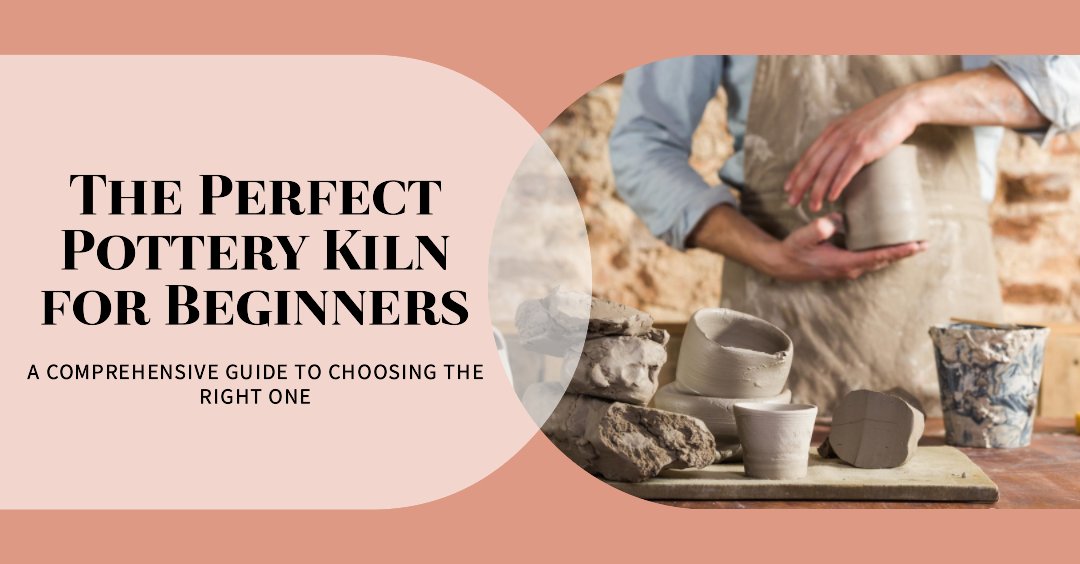
Starting your journey into pottery can be an exciting endeavor. One essential tool that you will need in this artistic venture is a pottery kiln. pottery kilns form a crucial part of the pottery-making process. They're used to fire clay at high temperatures, hardening it into beautiful ceramic creations. However, for a beginner, selecting the perfect kiln is not always a straightforward task. This article will guide you through the process and recommend some of the best options available at Kilncrafts.
When it comes to choosing a perfect pottery kiln for beginners, Kilncrafts has some of the best brands on offer. From front-load to top-load options, the variety caters to every client's needs. A few of these top brands include:
Each brand brings unique qualities, and their kilns vary in size, features, and levels of sophistication. You can visit our website kilncrafts.co.uk to explore the varieties each brand offers.
Let us delve into more detail about these brands and their kilns:
The single biggest decision for your first kiln is internal capacity. Get this wrong and you'll either outgrow the kiln in six months or buy far more kiln than your studio (or your electrics) can support. This is the guide we give every beginner who calls us.
Ask yourself: what do I want to fire, and how much of it?
Litres tell you volume; interior dimensions tell you the tallest / widest piece that will fit. A 60-litre kiln with a narrow chamber may not take a 30cm vase even though the volume sounds generous. Always check the kiln's internal width × depth × height against the largest piece you plan to make — with 2–3cm clearance on every side for airflow.
Most first-time buyers outgrow their kiln within 18 months. If you can stretch to the next size up — and your electrics allow it — it's almost always cheaper than buying small now and replacing in two years. The resale market for small used kilns is thin; the market for good mid-sized used kilns is strong.
Before you buy, check three things:
If you're not sure what your consumer unit can support, take a photo of it into your electrician before you buy the kiln — we've seen buyers end up stuck with a kiln they can't legally power.
When it comes to kilns that offer excellent control, ease of use, and convenience, Kilncare is a reliable brand. Their kilns are suitable for both beginners and experts. A prominent kiln model is the Kilncare Ikon V46 Top Load Pottery Kiln. This kiln comes with a controller unit, which gives you full control over the firing process. It's perfect for small to medium-sized projects and ideal for a beginner just getting started with pottery.

Another model to consider is the Kilncare Ikon V61E Top Load Pottery Kiln. With its increased space, it allows for slightly larger pieces. Additionally, it contains energy-efficient features that can save you money in the long run.
Kilns and Furnaces is another brand that deserves your attention. Their Ecokiln model stands out for its eco-friendly feature; it uses less energy during the firing process, making it an ideal choice for environmentally-conscious potters.
Also making an appearance from this brand is the Kilns Furnaces Hawk. Renowned for its compact size, this kiln is perfect for hobbyists or beginners who are short on space but still want to make high-quality ceramics.
Note: Remember, your choice of kiln depends largely on what you wish to create. As you continue on your pottery journey, your needs might change, and it's totally fine to upgrade or change kilns as you progress.

Starting with the Falcon 120L Front Load Pottery Kiln. This kiln is a flexible answer for those starting and wanting to establish their work in ceramics. Its size is advantageous, allowing users to create larger pieces or multiple smaller pieces at once.
Likewise, the Falcon 160L Front Load Pottery Kiln comes with similar benefits but offers more space for even larger projects!
Tip: When choosing your kiln, consider your workspace. Front load kilns usually require more space compared to top load kilns. But, they offer easy accessibility when placing or retrieving your pottery pieces.

The CU2 Home Pottery Kiln and CU4 Home Pottery Kiln also merit a mention. Their compact nature and elementary controls make them an appropriate addition to any beginner's home studio.
For most UK beginners, a 60–90 litre top-loading kiln on a standard 13A plug is the right starting point. It fires a real batch (8–12 mugs), plugs into a normal wall socket, and costs £1,200–£2,200. The CU2 Home Pottery Kiln and Kilncare Ikon V46 are both strong first kilns at this size.
Yes — any kiln up to around 13 amps (approximately 3kW) will run from a standard UK 13A socket. That covers most tabletop kilns and many small top-loaders up to ~90 litres. Anything larger needs a dedicated 16A, 32A, or three-phase circuit.
UK prices in 2026: tabletop kilns start around £600–£900; small 60–90L top-loaders run £1,200–£2,500; mid-sized 100–150L kilns run £2,500–£4,500. Full breakdown with current prices in our UK pottery kiln cost guide.
Top-loaders are cheaper, lighter, easier to install, and the natural choice for 90% of home buyers. Front-loaders let you stack shelves more precisely and are easier on your back — worth the extra money if you'll be firing several times a week or have shoulder / mobility issues.
Well-made UK kilns (Kilncare, Kilns and Furnaces, Falcon) will give 15–25 years of hobbyist use with basic care. The elements are consumable — expect to replace them every 300–600 firings depending on the temperature range you fire to. Replacement elements for any kiln we sell are readily available from the manufacturer.
Embarking on the pottery journey is exciting and having the right equipment enhances your experience. Your choice of a beginner’s kiln should be based on your goal, workspace, and budget. Good news is, Kilncrafts offers a broad array of kilns that excel in each aspect!
Head over to our collection of Pottery Kilns for Home to explore a spectrum of options suited to various needs and levels of expertise. As you grow in your pottery adventure, Kilncrafts will continue providing products that spark your creativity and elevate your pottery skills!
And remember, our team at Kilncrafts is always here to help guide you through your pottery journey. Don't hesitate to get in touch if you have any further queries or need additional guidance on the best kiln for your needs. Here's to crafting beautiful ceramics with Kilncrafts!
Comments
Leave a comment