

Always Here for Advice
Updated 27 August 2026 — current prices and the full 2026 range comparison.
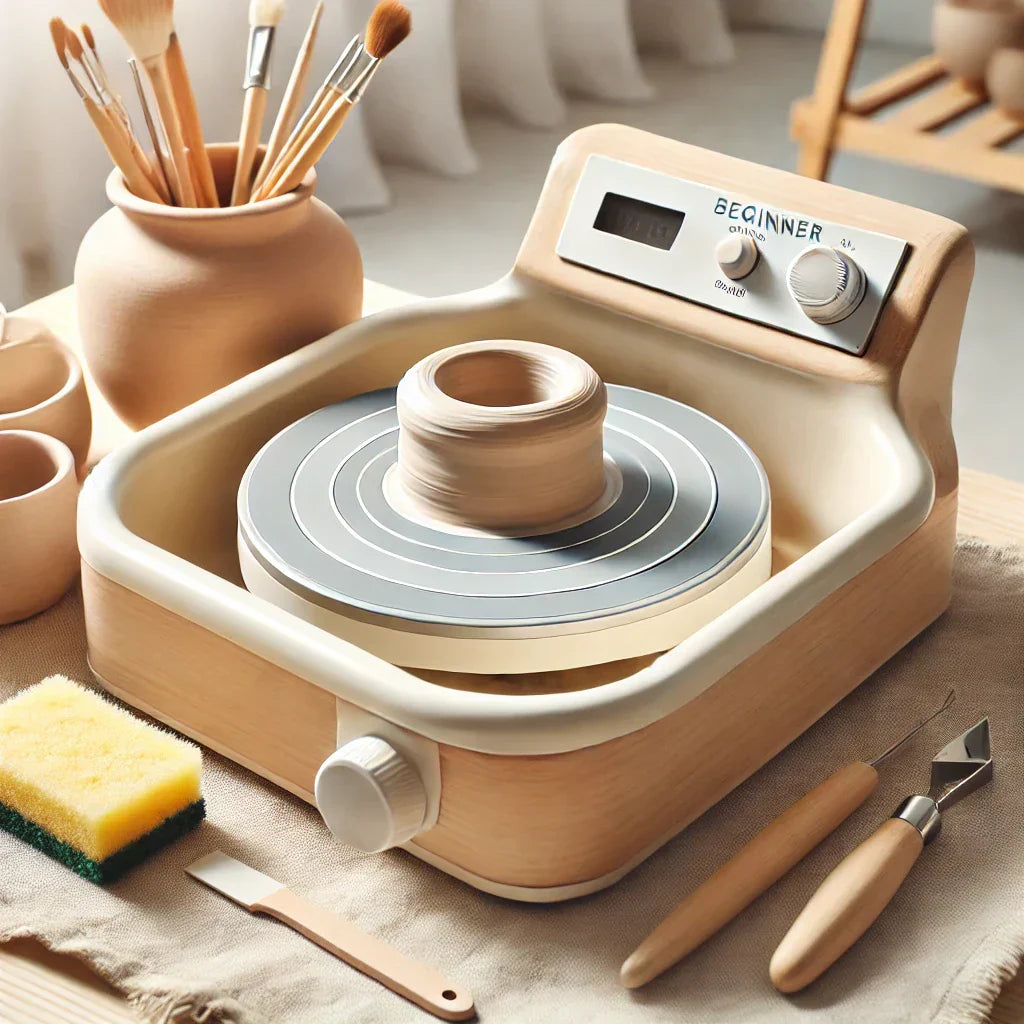
Choosing a Beginner Pottery Wheel? Easy—match it to your skill, space, and budget! Electric for speed, manual for tradition. Big projects? Go sturdy. Small space? Tabletop pottery wheels are your friend. Plus, think usage & maintenance—because a well-kept wheel means smoother throwing sessions.

So, you’ve decided to take the plunge into pottery—brilliant choice! Whether you dream of throwing delicate teacups or hefty vases, your pottery wheel will be your most trusted tool. But with so many options, how do you choose the right one?
Short answer? Match your wheel to your skill level, workspace, and creative needs. Beginners need simple, quiet wheels that arrive ready to throw on, while pros require precision and power. Consider motor strength, wheel size, portability, and maintenance—because a well-kept wheel means smoother throwing sessions.
Let’s dive into the details so you can find the perfect wheel for your pottery journey.
In short: beginners throwing at home should choose a quiet, compact electric wheel with a complete starter package — in our range that’s the Daisy (£1,199). Improvers who’ve outgrown a starter wheel step up to a direct-drive wheel like the Thistle (800W, £1,699), while professional studios choose high-torque wheels from Gladstone or Durston (£1,800–£4,200+). Browse the full pottery wheel collection to compare.
In short: book a class if you're not sure pottery is for you yet — one or two sessions will tell you. Buy a wheel once you know you love throwing: at around £40 a session, a year of weekly classes costs more than a complete starter package (£1,199), and a wheel at home lets you practise whenever you like.
A tutor watching your hands, wheels and clay provided, firing included, and someone else doing the cleaning up. If you've never touched clay, a taster session or a short beginners' course is the quickest way to find out whether throwing clicks for you — and for most people, it does.
Practice. Skill on the wheel is built by repetition, and one session a week — with a week between each attempt — is the slowest possible way to get it. With a wheel in a spare room, garage or shed you can throw for twenty minutes whenever the mood takes you, and the difference shows within weeks. You don't book it, you don't travel to it, and nobody is watching.
Most beginners' courses finish after six or eight weeks, and that's the moment people either stop — or set up at home. You don't need a kiln on day one: many local classes and community kilns will fire your work for a small fee, so a wheel is all it takes to keep making. When you're ready, our guide to setting up a pottery wheel at home covers space, mess and electrics, and you can add a kiln later once you're throwing work you want to keep.
Before picking a wheel, ask yourself: How experienced am I? A beginner-friendly wheel might frustrate a pro, while an advanced model could overwhelm a novice.
Where you plan to use your wheel affects its size, weight, and features.
Realistic UK pricing for a studio-grade wheel is higher than the “hobby wheel” prices you’ll see on marketplaces. Small tabletop wheels under £200 exist, but their low-torque motors struggle to centre more than a small ball of clay — fine for children or decorating, frustrating for throwing. Here’s what each level genuinely costs in the UK in 2026:
| Beginner (throwing at home) | £1,100–£1,300 | Complete starter packages such as the Kiln Crafts Daisy — quiet, compact, and supplied with batts and tools so you can throw on day one. |
| Improver / serious hobbyist | £1,500–£1,900 | Direct-drive and traditional wheels: the 800W Kiln Crafts Thistle, or a Gladstone kick or studio wheel. |
| Professional studio | £2,000–£4,200+ | High-torque wheels built for daily production — the Gladstone Bailey range and the Durston Elite E320. |
On brands: in the UK you’ll mostly compare Gladstone (a long-established name in traditional and studio wheels), Durston, and our own Kiln Crafts Daisy and Thistle, which we design and back with a no-questions 3-year warranty. American brands such as Shimpo and Brent appear in US guides but are less commonly stocked — and less easily serviced — in the UK.
Every wheel below is in our range today — prices are current at the time of writing. If you’re unsure, start with your skill level and the space you have, then use the “best for” column.
| Wheel | Best for | Type | Price |
| Kiln Crafts Daisy Package | Beginners and home potters — quiet and compact, arrives with batt system and tools | Electric | £1,199 |
| Gladstone G33 Standing Kick | Schools and traditional, silent throwing | Kick | £1,559 |
| Kiln Crafts Thistle | Improvers who’ve outgrown a starter wheel — 800W direct drive, 3-year warranty | Electric (direct drive) | £1,699 |
| Gladstone G34 Bailey | Studio all-rounder | Electric | £1,819 |
| Gladstone G41 Bailey Tutorial | Classrooms — instructor remote control | Electric | £2,099 |
| Gladstone G40 Bailey 1Hp VF | Professional throwers — 1Hp motor, remote foot pedal | Electric | £2,209 |
| Durston Elite E320 | Professional studios — three-phase brushless motor, 12½″ head | Electric | £2,219 |
| Gladstone G27 Special Needs | Accessible throwing — adjustable height, ergonomic seating | Electric | £4,979 |
The full range — including the Gladstone Momentum, Classic, Staffordshire and Atlas studio wheels — is in our pottery wheel collection.
For a full breakdown of every buying route — new vs second-hand, typical 2026 UK prices, and what to check before you commit — see our guide to where to buy a pottery wheel.
A complete beginner package costs around £1,199, mid-range direct-drive wheels around £1,699, and professional studio wheels £2,000–£4,200+. Tabletop hobby wheels under £200 exist, but their low-torque motors limit them to very small pieces or decorating.
A quiet, compact electric wheel with simple speed control and a complete starter package. In our range that’s the Kiln Crafts Daisy — it arrives with a batt system and tools, so you can start throwing the day it’s delivered.
Electric wheels suit most potters: consistent speed, less physical effort, and easier for beginners to learn on. Kick wheels like the Gladstone G33 offer silent, traditional, hands-on throwing and need no power — popular with schools and purists.
A 6–10 inch wheel head handles mugs, bowls and most home projects. Choose 12 inches or larger if you plan to throw big vases, platters or production work — professional wheels like the Durston Elite E320 use a 12½ inch head.
No — home pottery wheels such as the Daisy and Thistle run from a standard UK 13A plug socket. Just allow a stable, level floor space and room for a stool, water bucket and your tools.
Budget tabletop wheels under £200 can be fine for children and for decorating work such as banding. For actual throwing they struggle: low-torque motors stall when centring anything beyond a small ball of clay, and splash pans and pedals tend to be flimsy.
If that one class left you thinking about clay all week, yes. You don't need to be experienced to get value from your own wheel — most of the people we help are beginners setting up at home. If you're still unsure, a short course first is money well spent.
Yes. You can throw and practise on a wheel at home, then have your pieces fired elsewhere — many local classes and community kilns offer firing for a small fee. Lots of potters start with a wheel and add a kiln later, once they're throwing work they want to keep.
The perfect pottery wheel balances your skill level, workspace, and budget. Whether you choose a complete starter package like the Daisy or a professional-grade studio wheel, investing in the right one ensures smoother throwing, less frustration, and more creativity. And whichever you choose, we're on the end of the phone for the whole journey.
Now, it’s time to get spinning—happy potting!
If you would like the background to the machine itself, the story of the potter’s wheel covers 5,000 years of design, from slow wheels and kick wheels through to the electric wheels in this guide.