
Skip to content

Glass Kilns & Fusing Kilns

Glass fusing kilns for home use let you fuse, slump and shape glass in your own studio — no shared workshop or industrial setup required. Whether you're making fused-glass jewellery, stained-glass panels, decorative dishes or lampwork beads, Kiln Crafts stocks a range of compact, purpose-built glass kilns from Kilncare, a British kiln manufacturer. Every model below is in stock and ready to ship across the UK.

What is a glass fusing kiln?

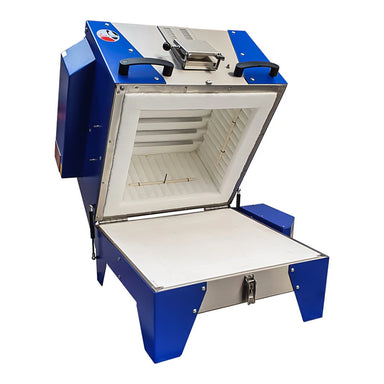
A glass fusing kiln is a kiln designed to heat glass to the precise temperatures needed for fusing and slumping — typically around 700–850°C, lower than the temperatures used for firing pottery. Unlike a general pottery kiln, a dedicated fusing kiln gives you even, controllable heat across a shallow chamber, which is exactly what fused glass needs to melt and bond cleanly without distorting. Most home glass kilns run from a standard 13-amp domestic socket, so you can set one up in a spare room, garage or garden studio.

Types of glass kiln we stock

Different glass work calls for different kilns. Here's how our range breaks down:

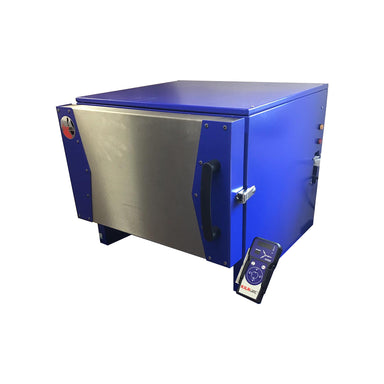
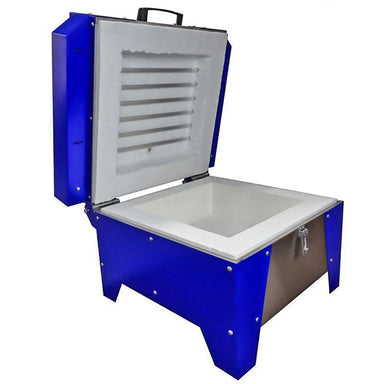
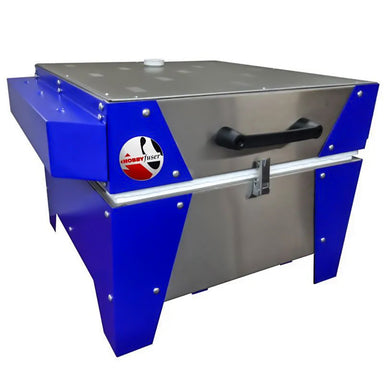
  • Kilncare Hobbyfuser — a popular entry point into glass fusing, well suited to hobbyists and beginners making small fused panels, coasters and jewellery components.
  • Kilncare Eco-Fuser — an energy-conscious fused glass kiln for fusing and slumping dishes, plates and decorative pieces.
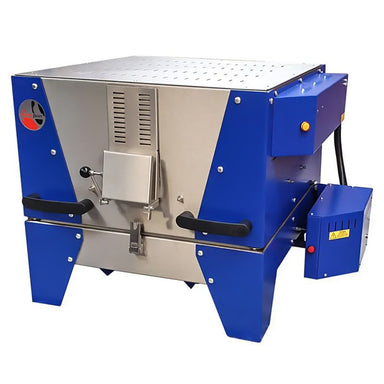
  • Kilncare SG2 Stained Glass Kiln — a stained glass kiln built for firing painted and stained glass as well as fusing work.
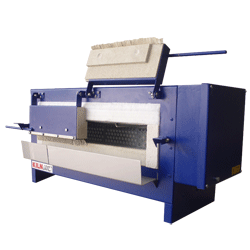
  • Kilncare Maxi Glass Bead Kiln — a dedicated glass bead kiln for annealing lampwork and torch-made beads.

How to choose the right glass kiln

Three questions usually settle the decision:

What are you making?

Jewellery, small fused panels and beads suit a compact chamber, while plates, bowls and larger decorative panels need more room to slump. If you work with stained or painted glass, choose a kiln designed for that process rather than a general kiln for fused glass.

What chamber size do you need?

Compact models keep running costs down and heat up quickly, which is ideal for small batches and testing. Larger chambers let you fire bigger pieces or several items at once. Match the chamber to the largest piece you realistically plan to make.

What power supply do you have?

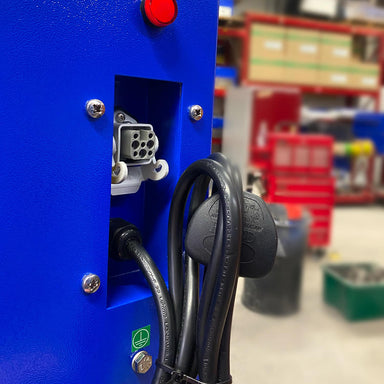
Most home glass fusing kilns run from a standard UK socket, so no special wiring is needed. Always check the rated load against your circuit before you buy — and if you're unsure, our team can talk it through with you.

Why buy a glass kiln from Kiln Crafts?

We're UK-based and we work with kilns every day, so you're buying from people who can actually answer your questions. Our glass kilns are made by Kilncare in the UK, supported by genuine spares and servicing. We offer UK delivery and real support before and after your purchase — not just a checkout button. Looking for glass kilns for sale in the UK with help on hand? That's exactly what we do.

Not sure which model suits your glass work? Call us on 01202 144142 and we'll point you to the right kiln. You may also want to compare our wider range of pottery kilns for home use or our jewellery kilns for metal-clay and enamelling.

Glass fusing kiln FAQs

What temperature does a glass fusing kiln reach?

Glass fusing and slumping generally happen between about 700°C and 850°C. The exact temperature depends on the glass and the effect you want — a full fuse runs hotter than a tack fuse or a slump. A dedicated glass kiln is built to hold these temperatures evenly.

Can I use a pottery kiln for glass fusing?

Some pottery kilns can fuse glass, but a purpose-built glass kiln usually gives more even heat across a shallow chamber and better top-element heating, which produces cleaner fused results. If glass is your main focus, a dedicated fusing kiln is the better choice.

Do glass kilns need a special power supply?

Most of our home glass kilns run from a standard 13-amp UK socket, so they don't need special wiring. Always check each model's rated load against your circuit before buying.

What's the difference between a fusing kiln and a glass bead kiln?

A fusing kiln is designed for flat work — fusing and slumping sheets of glass into panels, dishes and jewellery. A glass bead kiln is designed to anneal lampwork beads made at a torch, relieving stress in the glass so the beads don't crack as they cool.

Are these glass kilns suitable for beginners?

Yes. The Kilncare Hobbyfuser in particular is a popular starting point for hobbyists new to glass fusing, and our team can help you choose a model that matches your experience and the pieces you want to make.