

Always Here for Advice
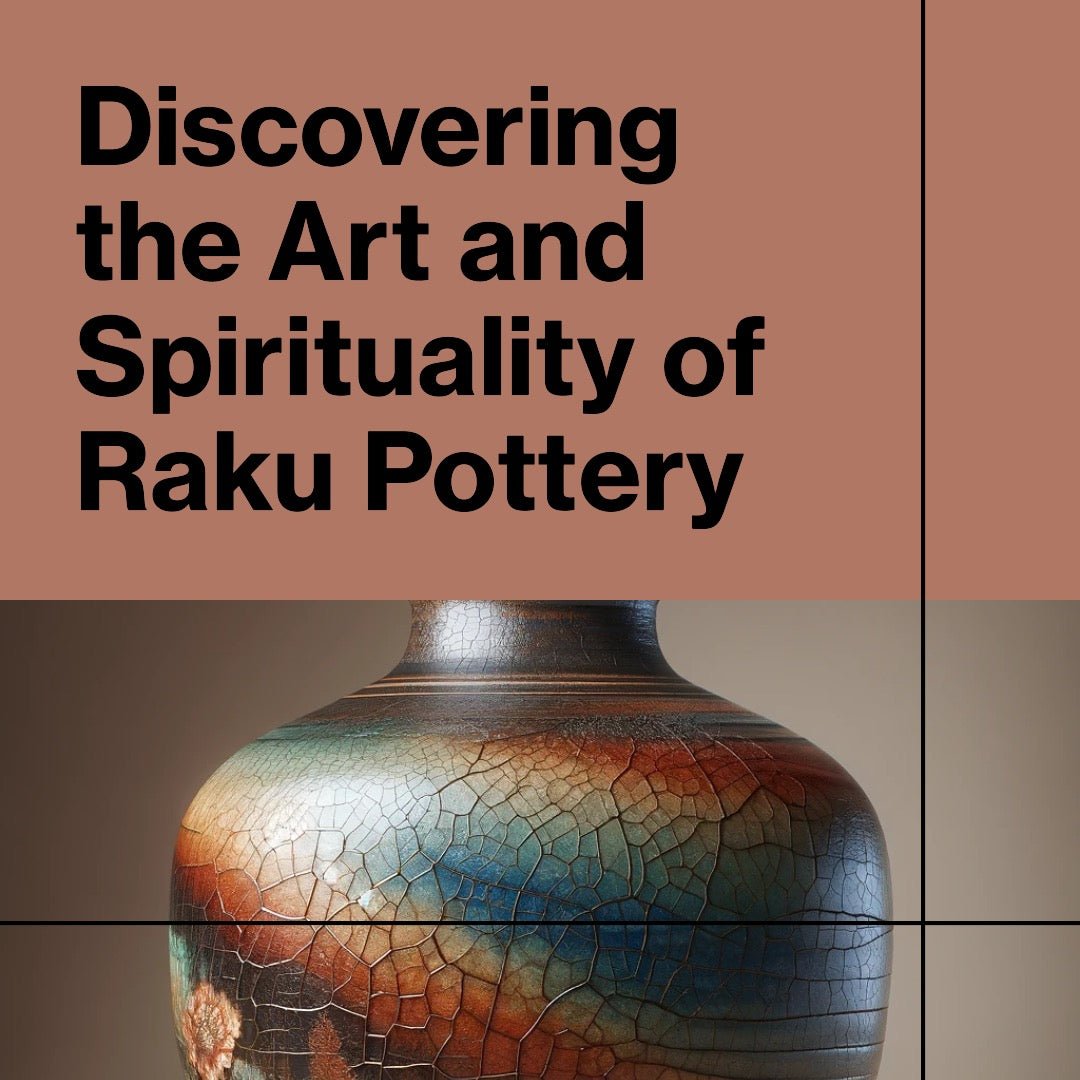
Raku pottery, an ancient Japanese art form, intertwines spirituality, craftsmanship, and the serendipitous beauty of imperfections. Originating in the 16th century, raku has transcended time, continuing to captivate artists and collectors alike with its unique aesthetic and philosophical depth. In this guide we delve into the world of raku, uncovering its history, techniques, firing requirements, and enduring appeal in modern pottery.
Raku is a type of Japanese pottery traditionally made for use in the tea ceremony, characterised by hand-shaped vessels, low firing temperatures, and a dramatic post-firing process that produces unpredictable, one-of-a-kind glaze effects. The word "raku" itself means enjoyment, happiness, or comfort in Japanese, and it takes its name from the Raku family of potters who developed the technique in 16th-century Kyoto. Today the term describes both the original Japanese tradition and the popular Western raku method, in which red-hot pots are removed from the kiln and placed in combustible materials to create crackled, smoky, metallic finishes.
Key Takeaways
Key Takeaway Description Origin Originated in 16th Century Japan, deeply rooted in Buddhist practices and tea ceremonies. Characteristics Hand-shaped, porous vessels made with low firing temperatures and unique glazing techniques. Cultural Significance Integral to Japanese culture, symbolising the wabi-sabi aesthetic and spiritual connections. Techniques Includes the use of combustible materials for effects and the 'Naked Raku' method. Modern Influence and Adaptation Continues to be practised and evolved, influencing artists globally.
Raku pottery emerged during a culturally rich period in Japan, strongly influenced by Buddhist philosophies and the revered tea ceremony rituals. It was during this time that the first Raku potter, Chōjirō, began crafting what would become a pivotal art form in Japanese culture. The name 'Raku' itself, meaning enjoyment, happiness, or comfort, perfectly encapsulates the essence of this pottery style.
Buddhism played a significant role in shaping the principles and aesthetics of raku pottery. The art form's focus on simplicity, naturalness, and the beauty found in imperfections aligns seamlessly with Buddhist teachings and the concept of wabi-sabi.
The process of creating raku pottery is as unique as the pieces themselves. Typically, it involves:
For more insights on choosing the right kiln for raku and other pottery forms, explore The Top 3 Home Pottery Kilns and a beginner's guide to Pottery Kiln for Beginners.
The essence of raku lies in its unpredictability and the acceptance of imperfection. Each piece embodies the philosophy of 'happiness in the accident,' where the final outcome is left to chance and the unique conditions of each firing.
Raku is fired comparatively low — most raku firings peak at around 1,000°C, far below the temperatures needed for stoneware or porcelain. For a full breakdown of how that compares across clay bodies and cones, see our pottery kiln temperatures guide.
The defining feature of raku is speed: pieces are taken from the kiln while glowing hot, so the kiln needs rapid heating and easy access. Gas raku kilns are the traditional choice because they reach temperature quickly and let you lift out wares mid-firing. Kiln Crafts stocks the Nabertherm RAKU Kiln 100 gas kiln, purpose-built for this technique. If you would rather fire low-temperature earthenware and bisque work electrically, browse our full range of pottery kilns for home.
Today, raku continues to inspire artists worldwide, who are drawn to its blend of tradition and innovation. These artists often add their own twists to the classic techniques, expanding the boundaries of raku pottery.
Raku pottery, once a uniquely Japanese art form, now enjoys global popularity. Workshops, exhibitions, and collectors can be found worldwide, highlighting the universal appeal of this distinctive pottery style.
Summary Table: Modern Raku Pottery
Aspect Description Contemporary Artistic Practice Embraces traditional methods while incorporating new ideas. Global Reach Raku has gained a worldwide following, crossing cultural boundaries. Diversity in Techniques Modern raku sees a blend of Japanese and Western techniques.
Raku's value lies as much in its character as its price. Because every piece is hand-shaped and the post-firing process is unpredictable, no two raku vessels are ever identical, which makes them prized by collectors. Antique pieces by the Raku family in Japan are highly valuable, while contemporary studio raku is valued for its individuality, dramatic glaze effects, and the skill of the maker rather than for being a mass-produced commodity. Raku is decorative rather than functional — its porous, low-fired body is not food-safe or watertight — so it is collected and displayed as art.
Raku pottery exemplifies a harmonious blend of art, tradition, and spirituality. Its appeal lies in its distinctive aesthetic, the unpredictability of each piece, and the philosophical depth it represents. Raku connects us to the rich history of 16th-century Japan while remaining a vibrant contemporary practice — a bridge linking the past with the present and the traditional with the modern. Through workshops and classes worldwide, it continues to educate and inspire new generations of artists, maintaining its relevance in the modern world.
Raku means "enjoyment", "happiness", or "comfort" in Japanese. It refers to a style of Japanese pottery developed in 16th-century Kyoto, named after the Raku family of potters who created it for use in the tea ceremony.
Raku is fired low compared with stoneware. After an initial bisque firing at around 800°C, the glazed pieces are fired to roughly 1,000°C, then removed from the kiln while glowing hot for the post-firing reduction process.
Antique raku by the Raku family of Japan is highly valuable, and contemporary studio raku is prized for its individuality and dramatic glaze effects. Because each piece is hand-shaped and unpredictable, raku is collected as decorative art rather than as functional, food-safe ware.
Yes — raku is a popular technique for home and studio potters because it uses low temperatures and simple equipment. It does require a kiln that can heat quickly and allow you to remove wares mid-firing, such as a dedicated gas raku kiln, plus a safe outdoor space for the reduction stage.
No. Raku's low firing temperature leaves the clay body porous, so raku vessels are not watertight or food-safe. They are intended for decorative and display use.